Teaching and Learning Lessons for Nurse Educators from the Olympics
Time to read 6 min

Time to read 6 min
Table of contents
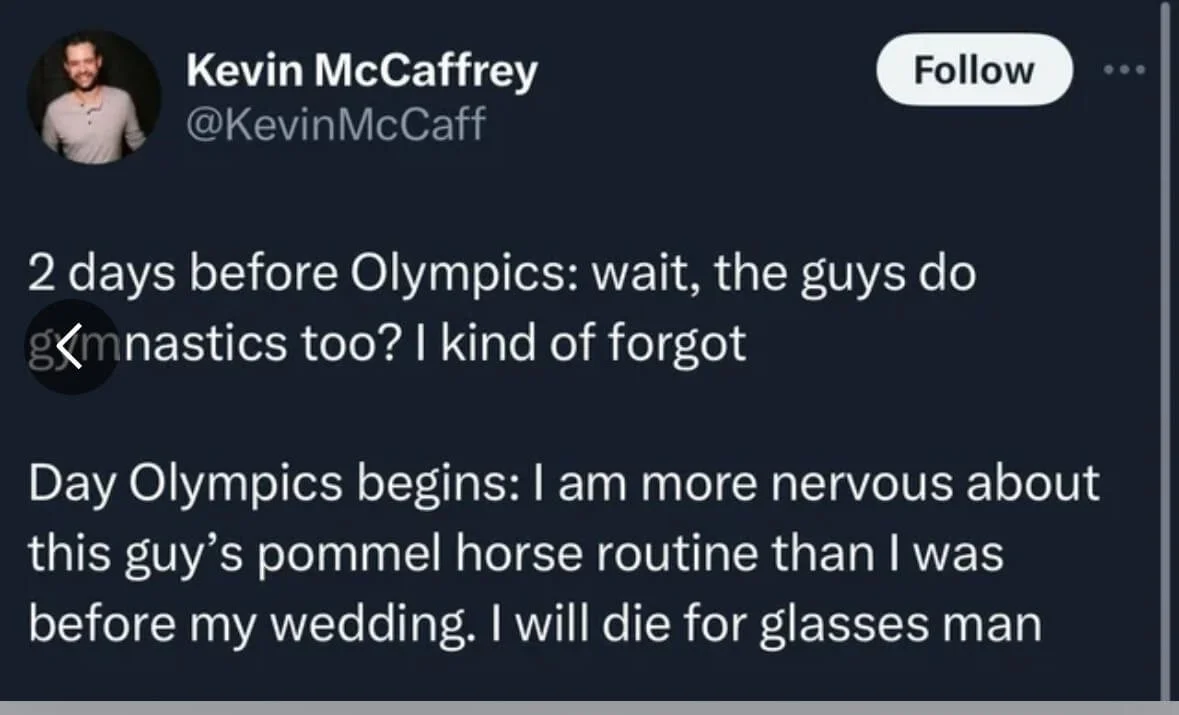
From Pommel Horse Guy to a surprisingly endearing Snoop, the 2024 Olympics have been a constant background in my home for the past two weeks. There have been so many inspiring stories, great memes, and beautiful examples of sportsmanship and camaraderie. This article will explore these themes from the Olympics as lessons for nurse educators.
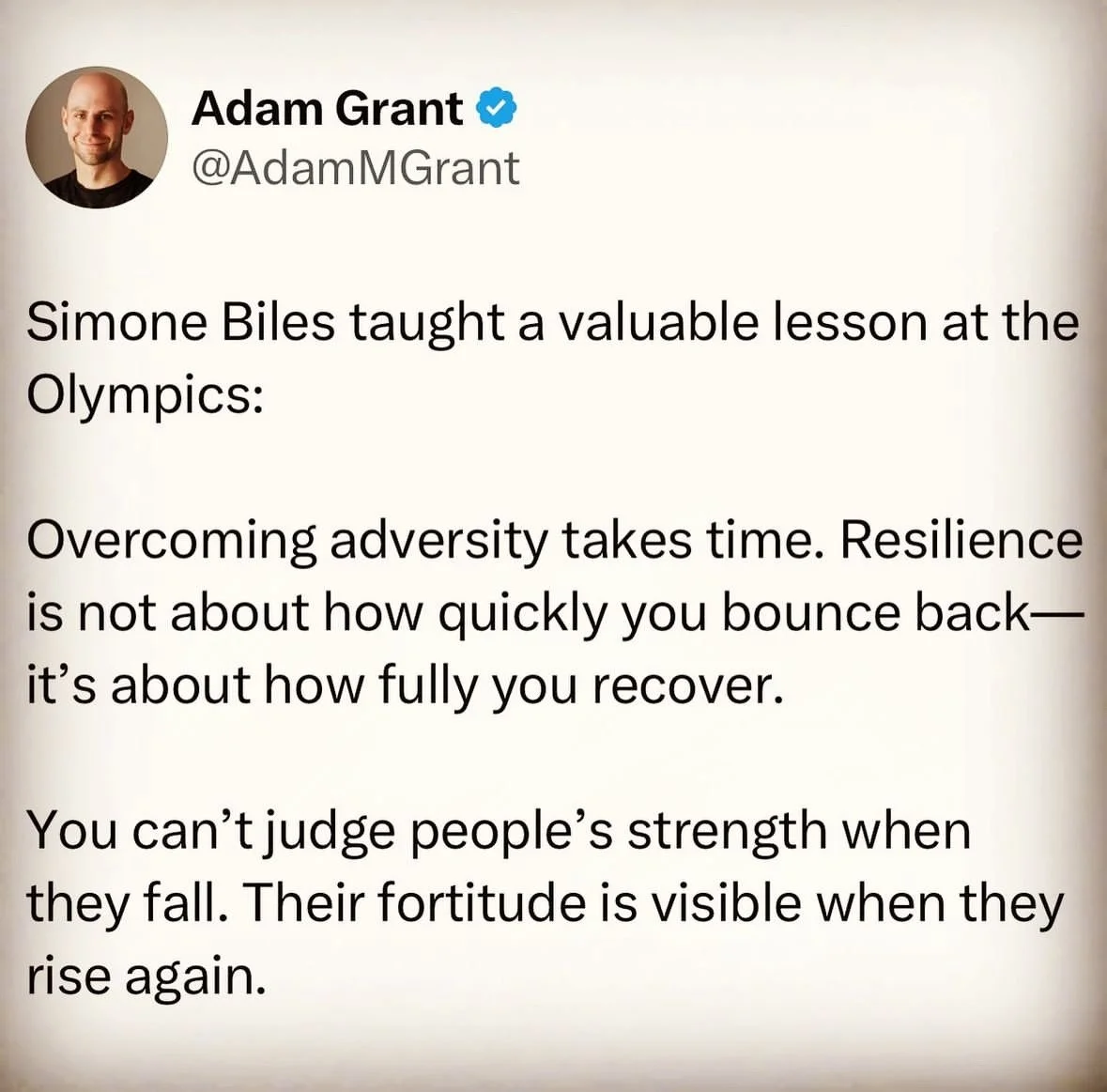
I saw a post from one of my favorite authors, Adam Grant, about overcoming adversity, which got me thinking about the teaching and learning lessons we can find in the Olympic events. 🏅
During a track and field event, I was in a hurry and fast-forwarded through the introductions and announcer commentary. I watched the race, but it didn’t feel as exciting. 🤷
I realized I had skipped the storytelling section. Learning the athlete's stories creates an emotional investment in their event. It's not just about the race or the dive, but about the journey that led them there. This emotional connection gave me something to cheer for and is what makes the events so much more engaging. It's the 'why' and the stories of the obstacles they've overcome truly captivate us.
When creating case studies or designing clinical experiences, we can intentionally craft the story.
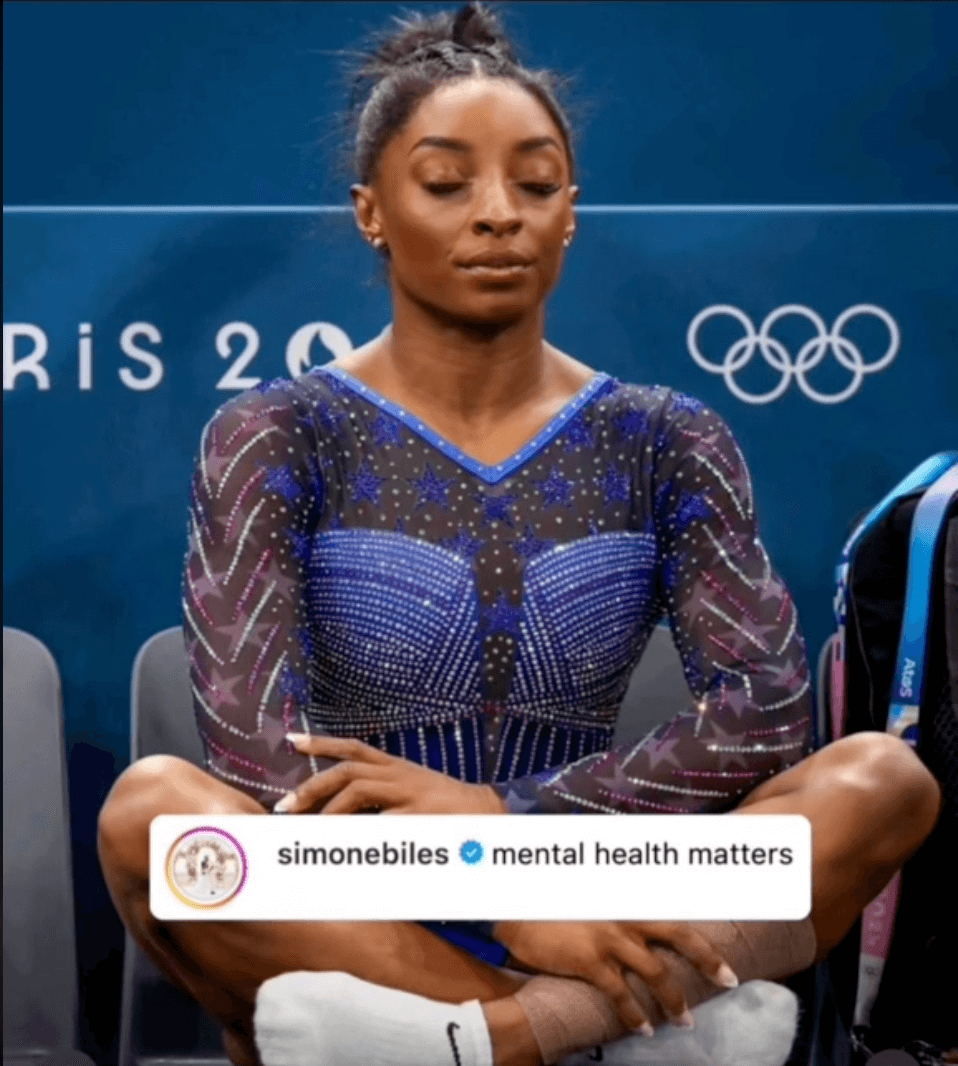
There were very few "perfect" performances at the Olympics. There were falls, missteps, and wobbles, even world-class athletes make errors. But time and time again, they got back up and kept going. They didn't let the fall define them. They cleared the mental hurdle and continued the work. And sometimes, an athlete's "average" performance still earned them a medal.
Learning a new skill can make you feel silly, clumsy, and inept, bringing up all of the feelings of imposter syndrome. But I have found that when I make real progress, I take that awkwardness by the hand and move ahead anyway.
I remember one of my very first clinical experiences. Our student group was at a long-term care facility, and my instructor asked me to put lotion on the hands of a one-hundred-year-old resident. I had never actually cared for a patient before, and I was terrified to touch or interact with her. At that moment, I could not see myself working as a nurse.
But since then, nursing practice has not gotten easier - if anything, it has become more complex! Instead, we grow our capacity as nurses by:
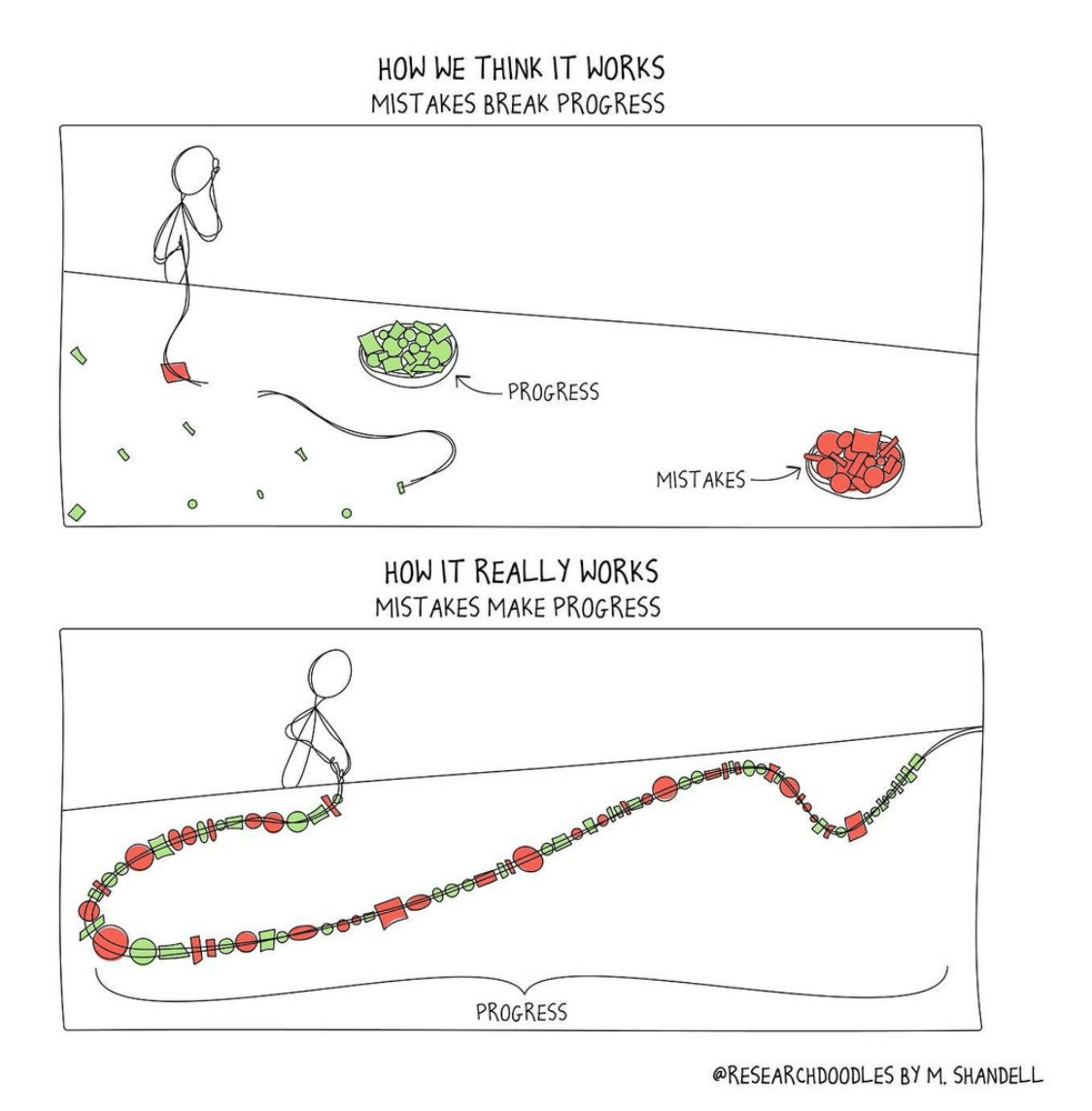
Learning is a process, not a one-time event. For ourselves and our students, daily, consistent practices will improve our performance beyond what we think is possible. Try to focus on the slow incremental progress instead of the unattainable perfection.
Students often see a failed attempt as the end, and it can totally derail their progress and confidence. Help students to reframe a failure as a learning opportunity.
In his book Hidden Potential, Adam Grant explores the world of polyglots: people who can talk and think in multiple languages. While this may seem like a natural ability, it seems quite the opposite.
They did not learn these languages in childhood or take a secret course to unlock language mastery. Instead, they crossed a motivational hurdle and got very comfortable being uncomfortable. Grant found that those who could learn multiple new languages actively sought discomfort. They did not just accept minimal discomfort; they went out and looked for big, uncomfortable situations.
One of the polyglots described trying to make 200 mistakes a day!
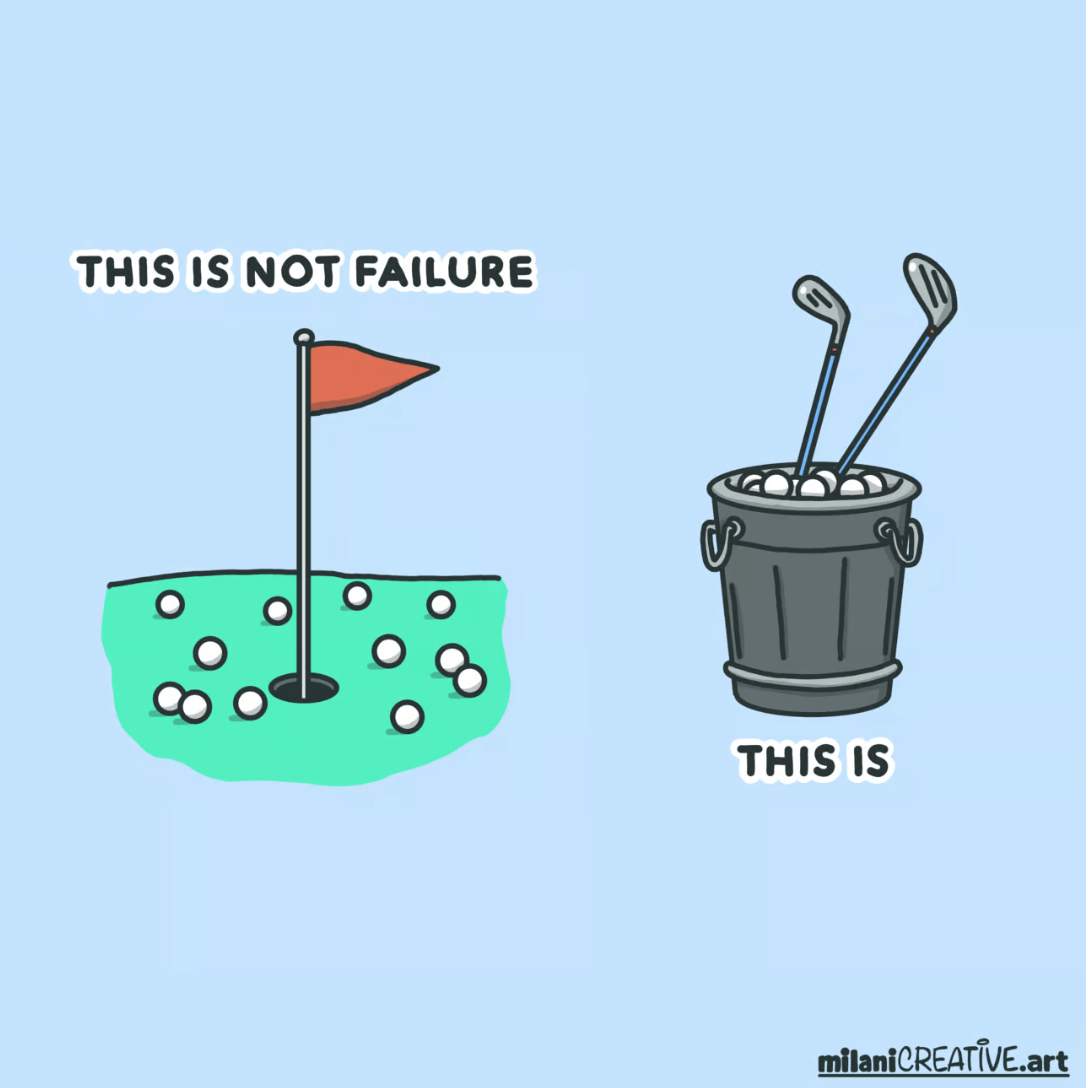
Failure is not in failed attempts, but in giving up.
So, learning becomes a paradox. We will not be comfortable with a skill until we master it, but in order to master it, we must practice. The discomfort of practice is necessary to achieve the comfort of mastery. And because practice can be uncomfortable, so we avoid it. Understanding and accepting this paradox is a key step in overcoming the fear of failure and embracing the learning process. Exposing yourself to failure requires courage. So be brave! And remember that everybody faces failure, even the Olympians.
I had never watched women's rugby before the Olympics. But during the United States medal game, the announcer commented that their star player, Ilona Maher, had the largest social media following of any rugby player (men's and women's) in the world! So, obviously, I investigated.
One of the first reels I encountered showed her thanking her "past self" for scheduling a massage a few days after the match. While a professional massage sounds fantastic, what really intrigued me was that she anticipated her own needs.
After a difficult task, give yourself a transition phase where you do something you love. You don't immediately need to move to the next thing.
These self-care practices can help prevent burnout and maintain your passion for nursing education. Burnout is a complex topic. But learning to care for ourselves in a way that feels good is essential to counteract the high expectations and demands of our work.
I just love the Olympics. 💜 Over the past weeks, they have been a source of inspiration, incredible stories, and so many life lessons. I can't wait to watch the winter version in two years!
Engagement starts with connection and storytelling, not just content. Stories, context, and emotional connection, whether in sports or nursing education, give learners something to care about and anchor new knowledge in real experience.
Growth happens through steady practice, not flawless performance. Like Olympic athletes, both educators and students build confidence through repetition, reflection, and the willingness to keep going after missteps.
Sustainable performance requires care and compassion. Creating space for rest, recovery, and self-awareness helps prevent burnout and supports long-term goals, for ourselves, the students we teach, and professional athletes.
Martha Johnson
Martha Johnson, MSN, RN is a nurse educator and the creator of BreakoutRN. She helps nursing faculty build active learning into the classroom and clinical setting, one practical idea at a time, using tools that support clinical judgment, engagement, and real-world nursing practice.
It can be as simple as framing a case study with a few details about a personal experience you had caring for a patient with the condition you are dicussing. Sharing a real-world examples is one of the best ways to create emotional connection to the topic.
It’s easy to fall into the perfectionism trap, but remember: your students benefit more from consistency than from complexity. Incremental improvements, small experiments, and giving yourself permission to not be perfect are what lead to long-term growth.
You are enough and you are doing a great job!
One of the best ways to support students to model your own flexible mindset. Talk about your own learning curve as a new nurse. Normalize discomfort in new situations. Invite students to reflect on what they learned from a specific patient encounter, not just whether they “got it right.” Teaching students to reframe failure is one of the most valuable lessons you can give.
Related product
TableTop Case Study Kit - Type 2 Diabetes
$99.00